By Debra Xenos American College of Education
During a parent-teacher conference this past week for a student named Alex, all of his core subject teachers were commenting how much he had struggled this year. They all agreed that Alex could not follow directions, complete assignments, or stay focused. Alex was confident in my physical education class and was often leading other students in skill work. I told everyone about how quickly he picked up on a new game I had introduced the other day; not only was he able to follow the directions I had given only one time, but he was helping others understand the game. It occurred to me, knowing how well he did in my class, that perhaps his struggle was not with the actual work but with the way his core teachers were presenting the material. Could it be possible that Alex is a kinesthetic learner?
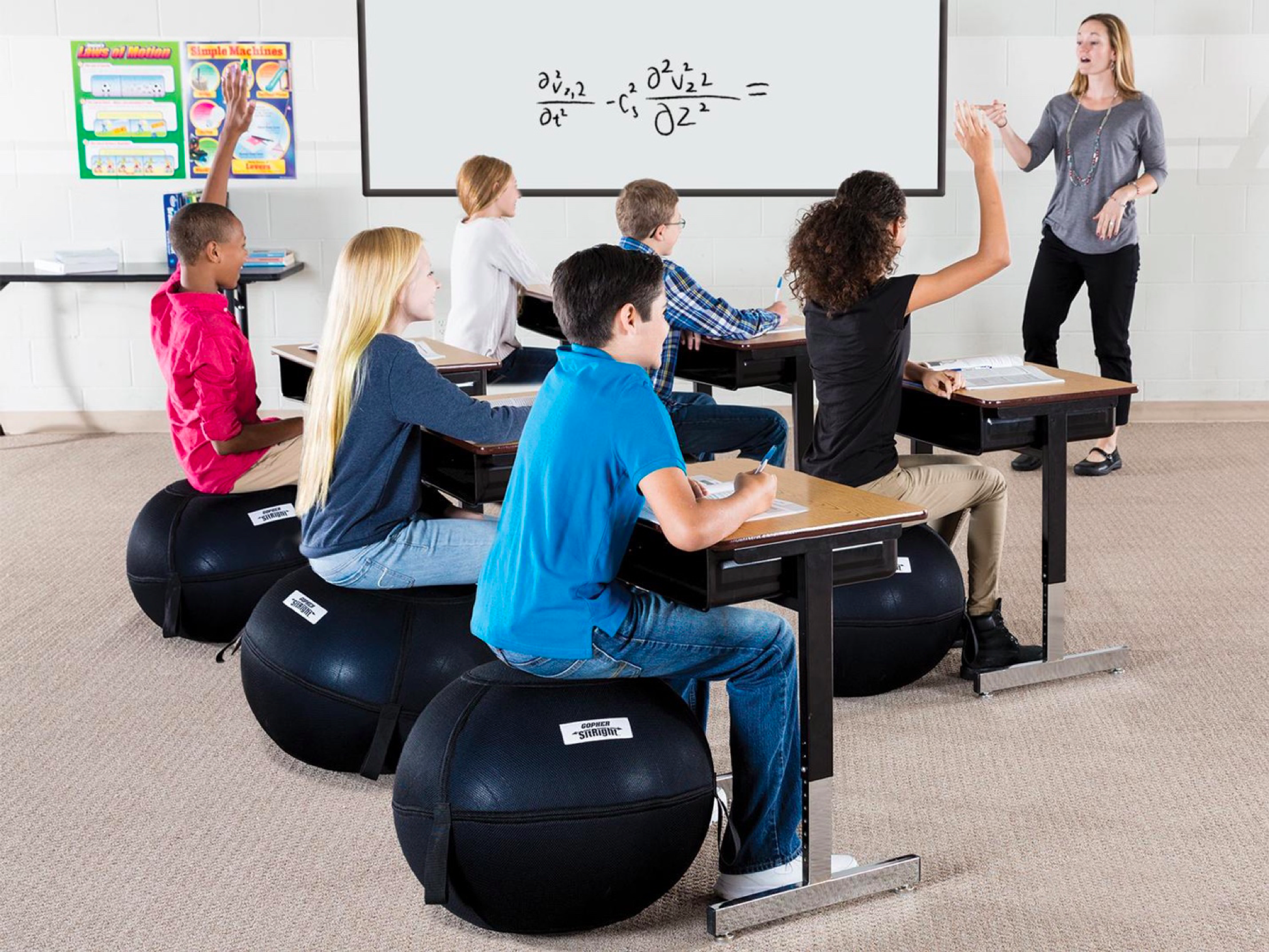
A kinesthetic learner grasps concepts via tactile experiences including hands-on activities, manipulating objects and materials, doing an experiment, working with a group, or playing a role in a skit. This type of learner has difficulties listening to a lecture or watching a demonstration. According to Neil Fleming’s VARK modalities of learning styles, each individual absorbs information differently and prefers one of four different learning styles which suits the learner the best. By identifying how we learn, a student can tailor how to study and become more effective when studying. The acronym (VARK) stands for Visual learners, Auditory learners, Reading/writing learners, and Kinesthetic learners. The kinesthetic learner prefers to learn through movement, touching, or doing. Examples are activities such as painting, cooking, mechanics, sports, and woodworking.
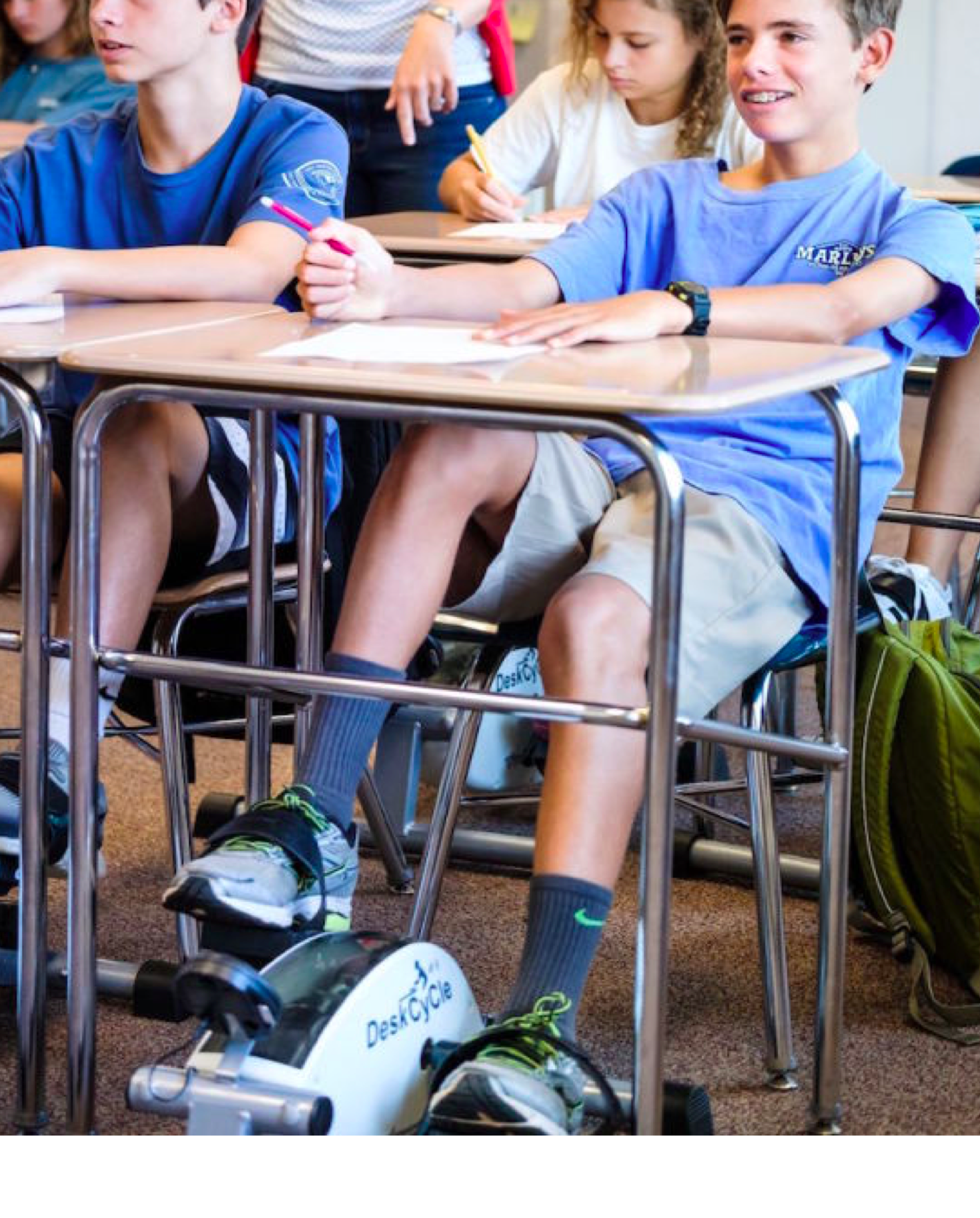
The sense of kinesthesis also referred to as kinesthesia, is the perception of body movements. It involves being able to detect changes in body position without relying on the five senses (Cherry, 2019). For example, when riding a bike, receptors in your arms and legs send information to the brain about position and movement of your limbs. An individual with a kinesthetic learning style learns best by actually performing an action and physically practicing that action.
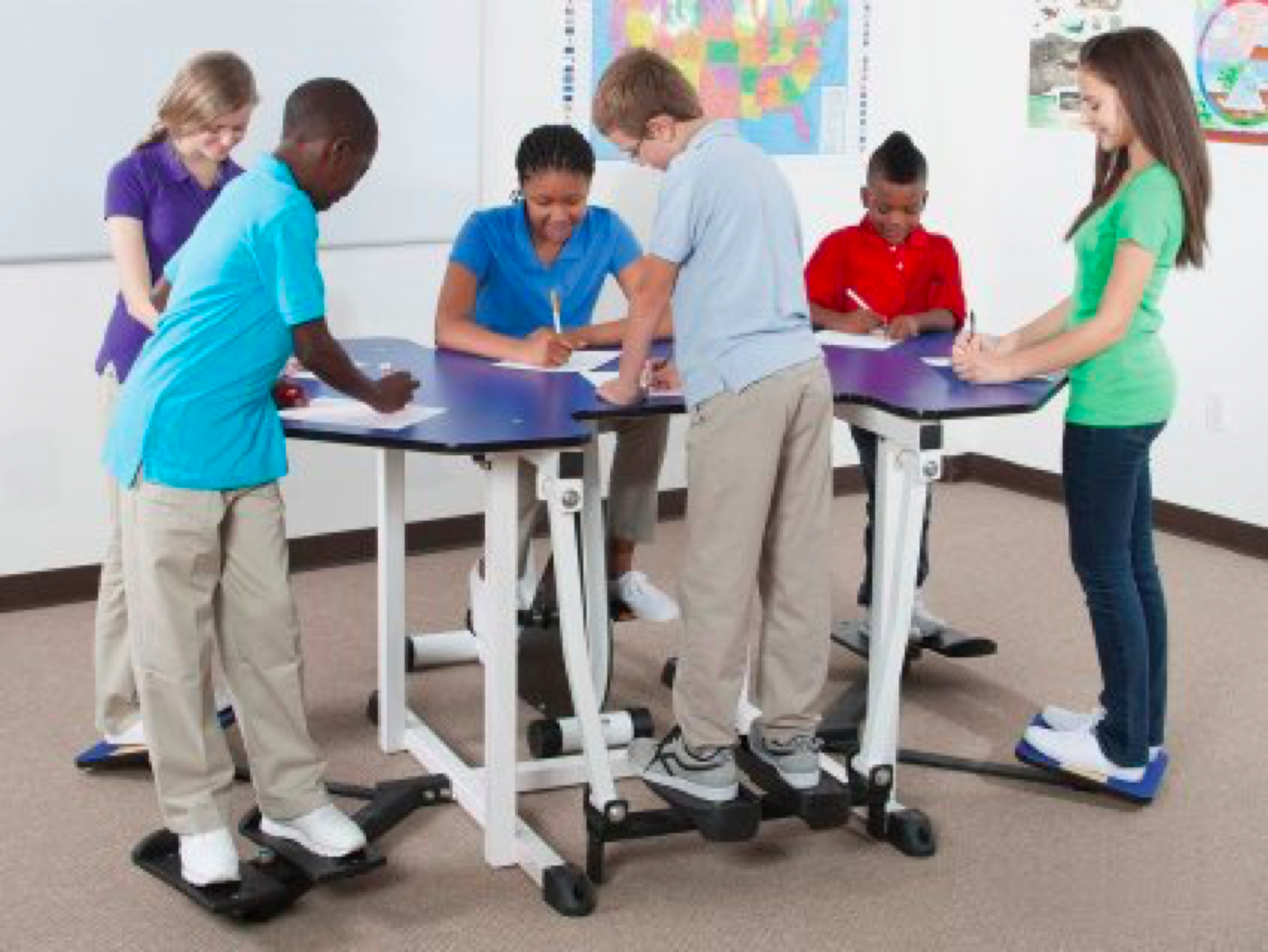
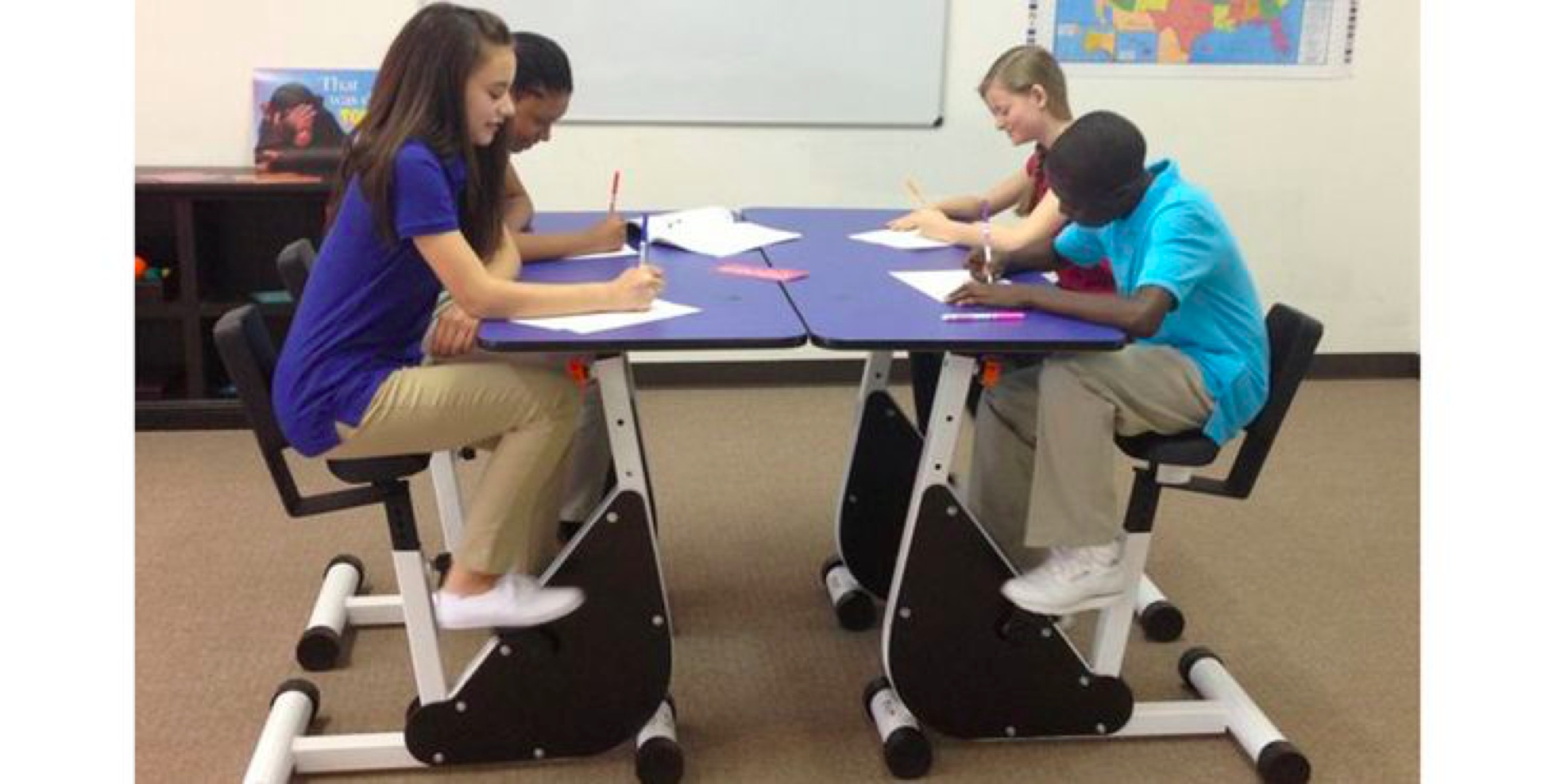
Howard Gardner’s theory of multiple intelligences discussed bodily-kinesthetics as one of possibly ten different intelligences (Kelly, 2019). He explained bodily-kinesthetic intelligence by describing the story of a young Babe Ruth who at age 15 began pitching. From the first pitch, he said in his autobiography, “as I threw I felt a strange relationship between myself and that pitcher’s mound” (Kelly, 2019). Gardner argues that it was not talent but intelligence controlling his bodily movements, which is localized in the motor cortex, said Gardner in his book Frames of Mind: The Theory of Multiple Intelligences. Those students who struggle to learn in the traditional reading or listening classroom, deserve the opportunity to learn and to unlock their full potential to perform at their best. Educators that allow students to move when learning, will increase the students’ understanding, with learners getting better marks on exams. Kinesthetic learners usually have higher success rates when participating in activities like hands-on chemistry experiments, art, acting, and sports activities. They may also listen to music while learning or studying. The kinesthetic learner will comprehend better when movement is added when reading, writing, or listening at the same time. In kinesthetic learning, learning occurs when the learner uses their body to express an idea, thought or concept. High energy levels may cause students to be agitated if not allowed to move. This is the student who sticks out in a classroom as he or she struggles, not able to sit still, feeling restless or impatient. So, where can teachers turn for advice on incorporating more movement into their classes?
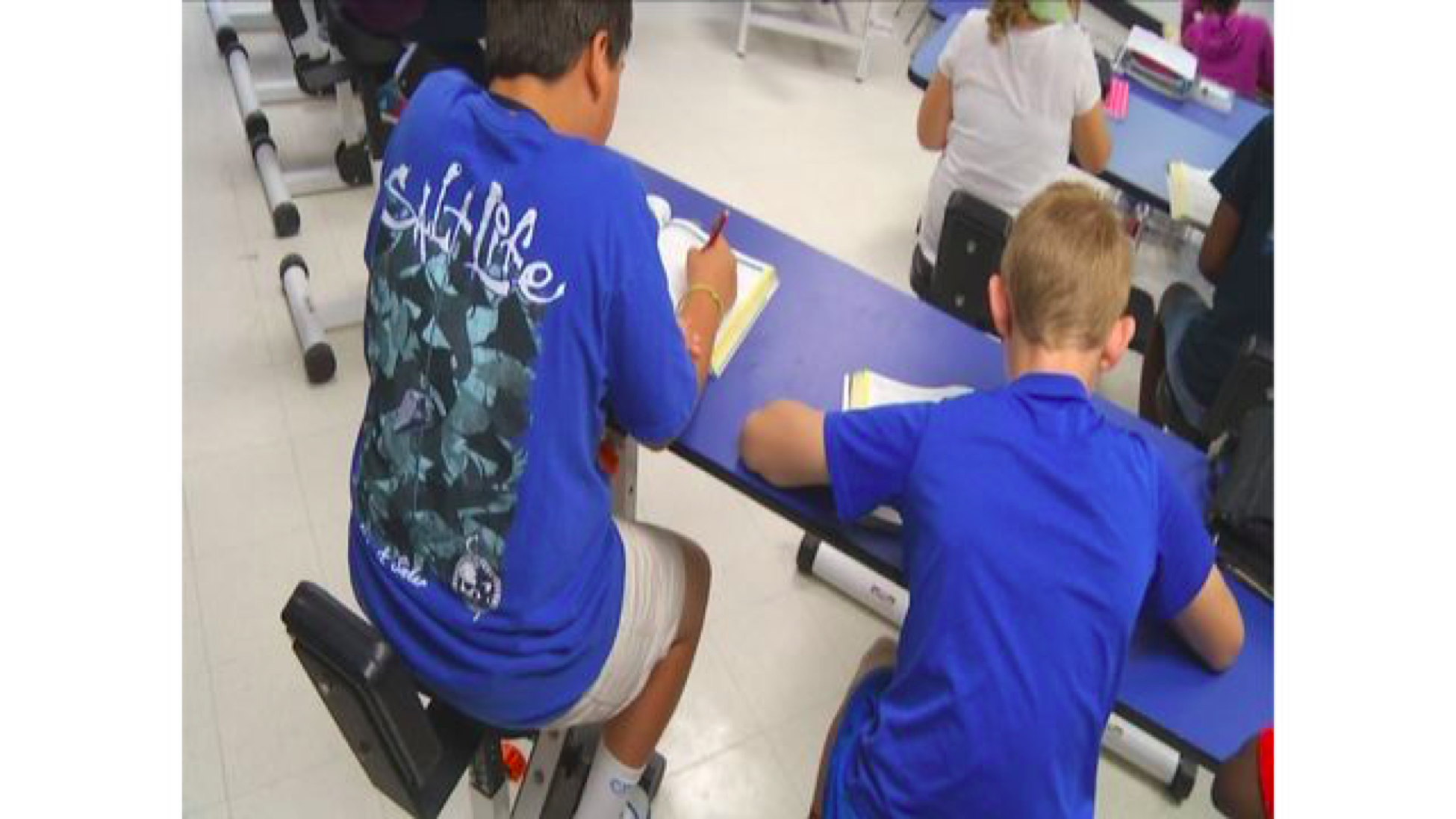
Michael Kuczala, a best-selling author of three amazing books on this subject has many strategies for engaging and motivating students with every learning style. His books The Kinesthetic Classroom: Teaching and Learning Through Movement, Training in Motion: How to Use Movement to Create an Engaging and Effective Learning Environment, and Ready, Set, Go! The Kinesthetic Classroom 2.0 are revolutionary, adding movement to every classroom. This author said, “Any conversation about movement in any learning context in the classroom or corporate training session needs to begin with the brain and body connection. The more you know about it, the more you can influence it”.
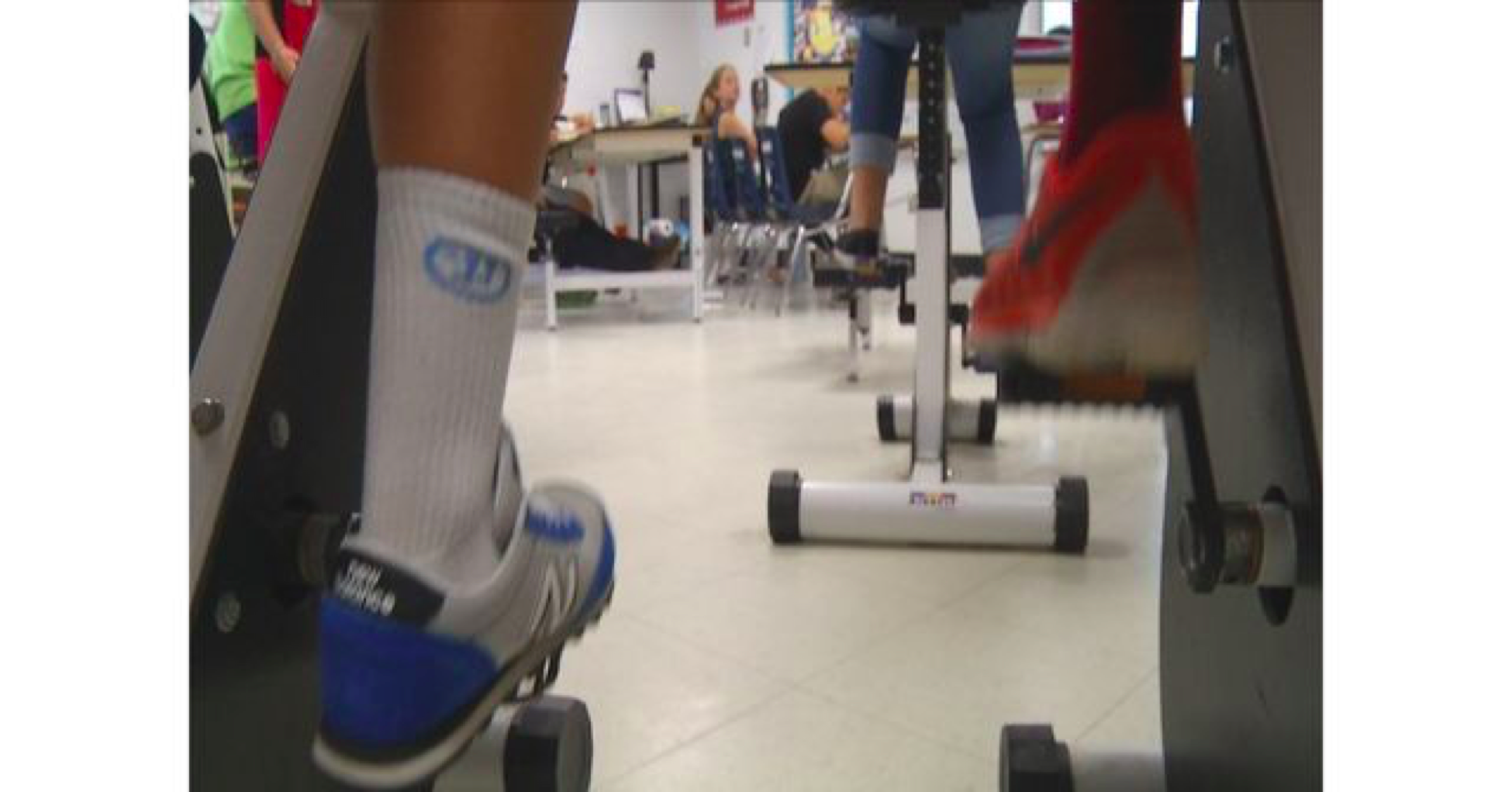
Why talk about brain body connection? In 2005, researchers found that aerobic exercise had significant positive effects of neurogenesis (Mandal, 2019). Neurogenesis refers to in the simplest terms, the growth and development of neurons in the brain. Further research in a landmark study in 2013 showed significant neurogenesis over the human lifespan suggesting this process is necessary for brain function (Mandal, 2019). This discovery has provided clear evidence that proves that exercise and learning go hand in hand. It matters what you think and it matters what you do. The body was designed to be pushed, and when we push our bodies, we push our minds, too (Ratey, 2019). Movement triggers the body to release brain chemicals, regulating the brain and body balance. This, in turn, improves learning at these levels: enhances cognition, improves memory, reduces stress, balances mood and behavior, improves social skills and behavior, improves academic performance, health and learning (Blaydes & Mitchell, 2019).
The list below is a framework using movement in six different ways in any learning situation: Michael Kuczala, The Kinesthetic Classroom.
1. Prepare the brain for learning: Physical movement can help the brain reorganize itself.
2. Provide brain breaks: 30 or 40 minutes into the class period getting learners up and move around, with a quick activity 3-5 minutes, for example, writing with your arm, who is your best friend? etc.
3. Supporting exercise and fitness: Kids that are physically fit do better academically and aerobic activity enhances brain function even in the short term.
4. Class cohesion or team building: When teachers create relationships with student’s, and students with other student’s, academic achievement rises. Provide a safe home for the mind where a child feels like they belong, a safe place where a child can be wrong and take a risk. Movement helps build motivation, teamwork, communication, and an environment that stimulates academic achievement through movement.
5. Reviewing content using movement: Example, have the class stand up, then the teacher will ask her students a multiple-choice question. If the answer is “A” the students will marches in place, if “B” students will clap their hands, if “C” students will do jumping jacks, or if “D” students will roll their shoulders. This example of getting your students up and moving is fun, safe, and engaging, plus the students are getting a brain break and at the same time academically challenged.
6. Teaching content using movement: Differentiates instruction for kinesthetic learners, makes learning implicit, the brain’s preferred way to learn by doing or feeling, most school learning is explicit (reading, writing, listening, discussions). By creating a kinesthetic classroom, students are engaged, highly motivated, are happy to learn.
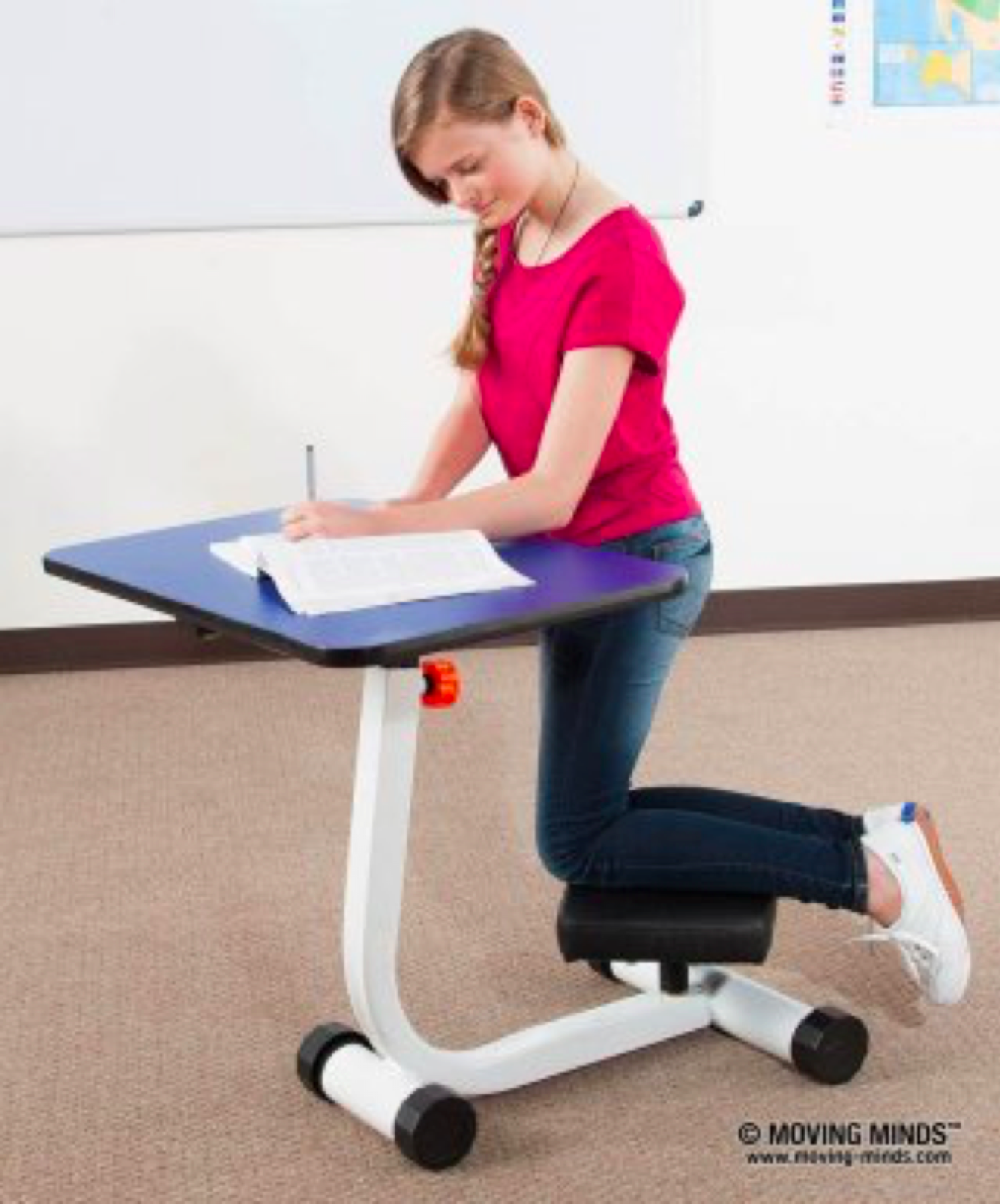
Increasing physical activity in the classroom makes sense and benefits everyone by engaging and motivating all students. There is a growing trend in education that can no longer be ignored, in order to catch up to the academic achievement of other nations in the world, it will take a wellness leader or a physical activity champion to put these strategies in motion. According to a study done exploring the use of physical activity in secondary science classrooms, teachers are willing to implement classroom physical activity, once they understand the benefits, gain the confidence through professional development, have the support from administration, and participates in physical activity themselves (Warehime, Snyder, Schaffer, Bice, Adkins-Bollwit, & Dinkel, 2019). Identifying students’ learning styles, modifying instruction to meet their learning types, and placing student’s in the best possible learning environment, including physical activity in the kinesthetic classroom is the leap forward we need to take.
References
Blaydes, J. & Mitchell, D. (2019). Learning through movement and music: How exercise benefits the brain. Human Kinetics: An Employee-Owned Company. Retrieved from: https://www.humankinetics.com/excerpts/excerpts/learn-how-exercise-benifits-the-brain.
Cherry, K. (2019, March 31). Kinesthesis and physically active learning. Verywell (Dotdash) Publishing Company. Retrieved from: https://www.verywellmind.com/what-is-kinesthesis-279530.
Fleming, N. & Mills, C. (1992). VAK/VARK modalities. Retrieved from: https://parentcenterhub.org/wp-content/uploads/2016/11/VARK.
Kelly, M. (2019, February 28). Understanding the meaning of bodily-kinesthetic Intelligence. ThoughtCo Dotdash Publishing family. Retrieved from: https://www.thoughtco.com/bodily-kinesthetic-intelligence.
Kuczala, M. (2015). The kinesthetic classroom: Teaching and learning through movement. Retrieved from: https://video.search.yahoo.com/yhs/search?fr=y.
Mandal, A. (2019, February 27). What is neurogenesis? News Medical Life Sciences.Retrieved from: https://news-medical.net/health/What-is-Neurogenesis.
Ratey, J. (2019). Build your muscles, build your brain. ADDitude Magazine. New Hope Media Company, Publishers. Retrieved from: https://www.additudemag.com/exercise-learning-adhd-brain.
Reynolds, M. (2018). How to spot visual, auditory, and kinesthetic-learning executives.
Molly St. Louis Creative Executive. Retrieved from: https://www.inc.com/molly-reynolds/how-to-spot-visual.
Warehime, S., Snyder. K., Schaffer, C., Bice, M., Adkins-Bollwit, M., & Dinkel, D. (2019). Exploring secondary science teacher’s use of classroom physical activity. The Physical Educator. 76. 197-223. Retrieved from: https://doi.org/10.18666/TPE-2019-V76-11-8361.
 Kinesthetic Classroom